Welcome to BookView Interview, a conversation series where BookView talks to authors.
Recently, we interviewed D.R. Berlin about her writing and recently released second installment in the Third Estate series, The Third Estate: Devil’s Tango, a sharp, breakneck conspiracy thriller that plunges readers into a deadly game of secrets, deception, and survival (Read the review here).
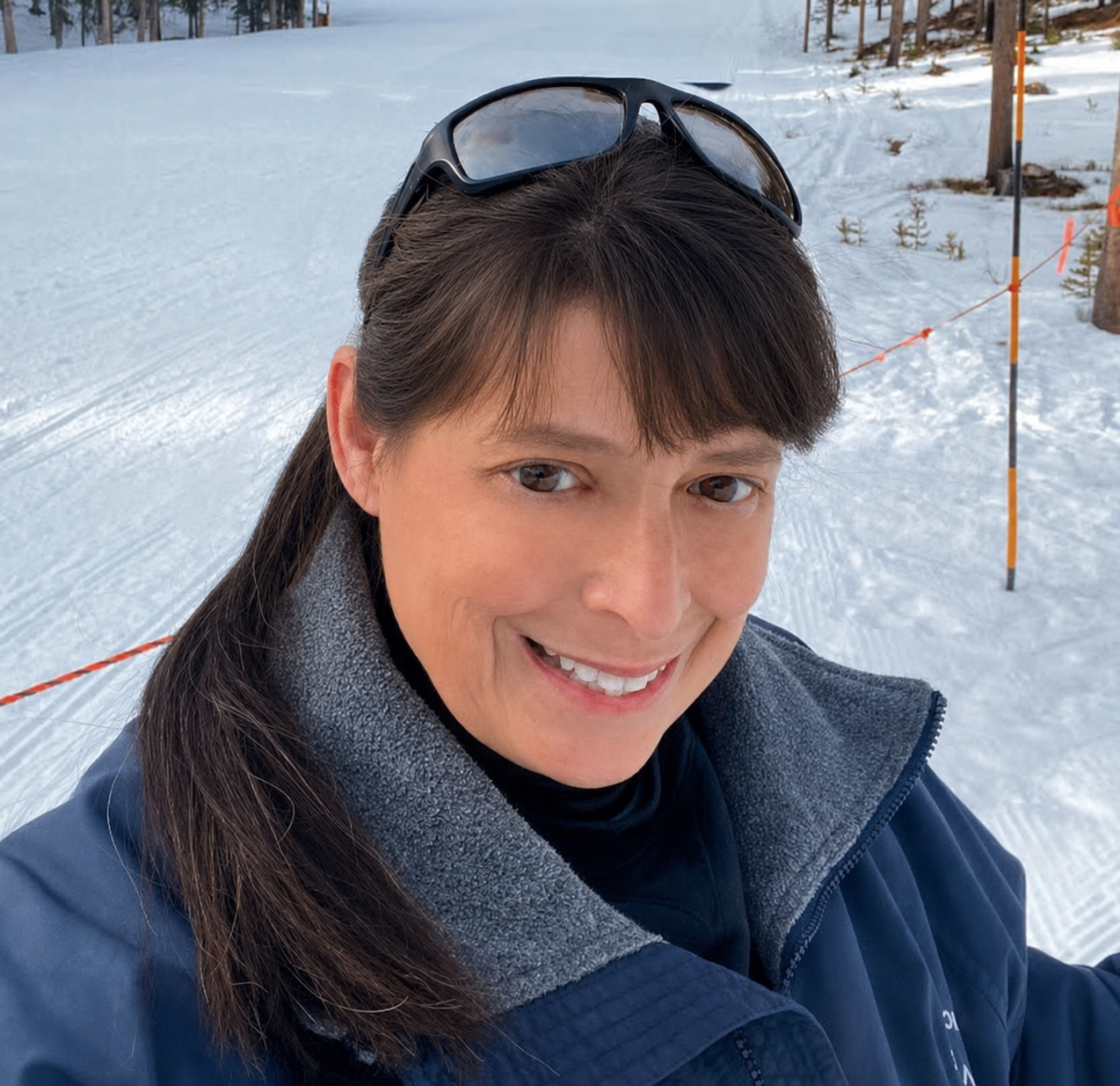
D. R. Berlin is an award-winning author of mystery, suspense, and thriller fiction, U.S. Army veteran and general surgeon, with degrees from MIT and the Albert Einstein College of Medicine.
She is the author of The Third Estate series, a cinematic thriller world of espionage, conspiracy, family secrets, and emotional risk. Her background in science, medicine, and military service brings authentic tension and procedural realism to stories shaped by danger, precision, loyalty, and consequence.
When she is not writing, she is often behind the camera at her children’s sports events, where she has earned the nickname “Mamarazzi.”
How often do you base your characters on real people?
Almost never directly. My characters are not portraits of real people. They usually begin with a question, a wound, a contradiction, or a pressure point: What would a disciplined person do when every system she trusts turns against her? What happens to a lethal man when loyalty costs more than survival?
I may borrow small human details from life, such as a gesture, a rhythm of speech, a profession, a fear, or the way someone handles stress, but the characters themselves are fictional. They become combinations of imagination, research, emotional truth, and the demands of the story.
What was the best money you ever spent as a writer?
The best money I ever spent as a writer was on professional editing and cover design. Developmental editing helped me strengthen the structure, pacing, and character arcs. Line editing sharpened the prose. Proofreading caught the details I could no longer see after so many revisions. A professional cover gave the book the right first impression before a reader ever opened the first page.
Each investment made the book stronger, cleaner, and more marketable. Writing may begin alone, but publishing a book well takes the right team.
How do you select the names of your characters?
I choose character names with intention. I like names that carry meaning, history, or irony beneath the surface. Kai Lovac’s surname means “hunter,” which fits a man trained to track, calculate, and survive. Sophie Allard’s name connects to nobility, which reflects her inner code, even when the world around her becomes morally unstable.
I do not want names to feel obvious or forced, but I do want them to add another layer for readers who look closer. Sometimes a name reflects who the character is. Sometimes it reflects who they are supposed to become. And sometimes it hides a clue long before the reader knows it matters.
What’s more important: characters or plot?
I believe characters and plot are equally important. A strong plot creates momentum, danger, and the reason a reader keeps turning pages. Strong characters make the reader care what happens next.
For me, the two are inseparable. Plot should pressure the characters, expose their flaws, and force them to make difficult choices. Characters should drive the plot through their decisions, secrets, fears, and loyalties. If the plot is exciting but the characters feel flat, the story loses its heart. If the characters are compelling but nothing happens, the story loses its urgency.
The best stories need both: people worth following and a plot powerful enough to change them.
What is the biggest challenge you’ve faced as a writer?
The biggest challenge I’ve faced as a writer is finding time. I have a full-time job that keeps me very busy, so writing happens in the spaces around everything else: early mornings, late nights, weekends, and whatever quiet moments I can steal.
I write because I enjoy it. It gives me a creative outlet separate from my professional life, and that makes the time I spend with the story even more meaningful. The challenge is balancing work, life, and writing without losing the joy that made me start in the first place.
Tell us some more about your book.
Devil’s Tango is a high-stakes thriller about Sophie Allard, a disciplined medical student and military officer whose life falls apart after a dying gunshot victim whispers a secret meant for someone else. Within hours, Sophie is suspended, framed for murder, and hunted by people who want the truth buried.
Her only possible ally is Kai Lovac, a legendary assassin with a death contract on his own head. Lovac knows the hidden world Sophie has stumbled into because he once worked inside its shadows. Together, they are pulled into a dangerous labyrinth of assassins, coded messages, hidden labs, family secrets, and Dossier 1627, a file powerful enough to expose the Third Estate.
At its heart, the book is about trust under pressure. Sophie has spent her life following rules, but survival now demands instinct, courage, and a willingness to question everyone around her. The story combines espionage, medical suspense, military precision, and emotional stakes in a world where every secret has a cost.
What inspired the premise of your book?
The premise was inspired by a question I think many people wonder about: are the people in power truly the ones making the decisions, or is someone else standing in the shadows, pulling strings and moving pieces on the chessboard?
That idea became the foundation for The Third Estate. I wanted to explore a world where presidents, governors, mayors, military leaders, and corporate executives may appear to hold authority, but unseen forces influence what they know, what choices they make, and who gets protected or erased.
The story grew from that unsettling possibility. What if power does not always announce itself? What if the most dangerous people are not the ones giving speeches, but the ones controlling access, information, money, fear, and loyalty from behind the curtain?
Which character was most challenging to create? Why?
Kai Lovac was probably the most challenging character to create because he had to be dangerous without becoming one-dimensional. He is an assassin, so his actions are often cold, calculated, and morally complicated, but I did not want him to feel like a typical villain or action stereotype.
The challenge was finding the humanity beneath the discipline. Lovac operates by rules, precision, and survival, but he also carries loyalty, guilt, and a personal code he does not always admit to having. He needed to be lethal enough for readers to believe his reputation, but layered enough for them to understand why Sophie might eventually trust him.
Writing him required balance. Too much emotion would weaken the mystery around him. Too little would make him impossible to connect with. That tension made him difficult, but also one of the most interesting characters to write.
What do you hope readers will take away from this story?
I hope readers take away the idea that time is precious, limited, and should not be wasted. We all think we have more time than we do: more time to say what matters, fix what is broken, chase a dream, or become the person we meant to be.
I also hope readers see how quickly life can change. You can walk the straight and narrow your entire life, follow every rule, make every careful choice, and still have one decision alter everything. Sophie’s story is about what happens when the life you planned disappears, and you have to decide who you are without the structure that once defined you.
At its core, the story is about courage, trust, survival, and choosing what matters before time runs out.
What’s next for you?
Next, I’m looking forward to celebrating the launch of my second book on August 10, 2026. Releasing a book takes a lot of work, so I want to take a moment to enjoy that milestone, appreciate the people who helped make it happen, and connect with readers.
After that, I plan to take a short break, recharge, and then dive into book three. The world of The Third Estate still has more secrets to reveal, more danger ahead, and more questions Sophie will have to answer.


Leave a comment